
Hot-Weather Cake Decorating: Keep Buttercream and Toppers Stable
Summer is when cakes slump, buttercream slides, and fondant sweats. Here is how to choose heat-stable frostings, transport a cake safely in the heat, and keep your decorations standing until it is cut.
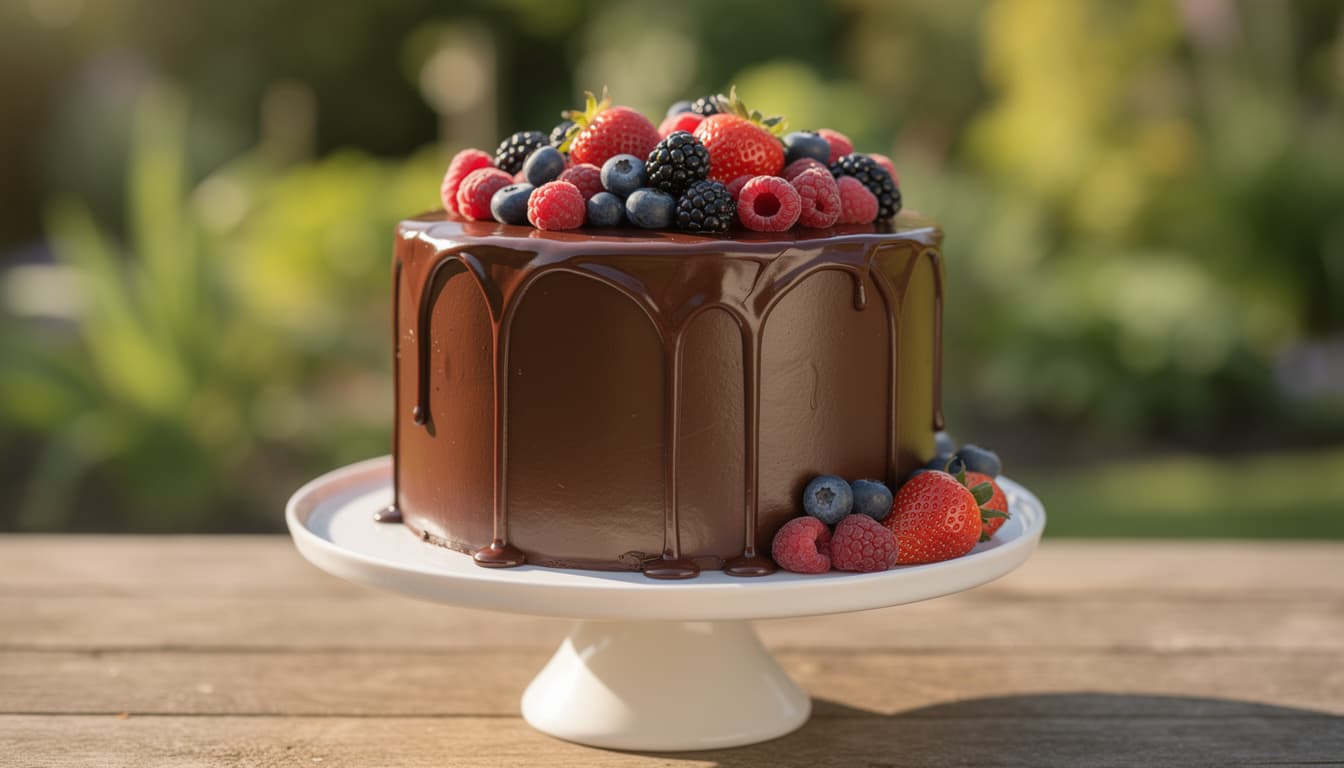
Warm weather is when cakes go wrong: buttercream slides off the side, fondant beads with sweat, and a beautiful topper wilts on the drive over. Heat is unforgiving, but it is predictable — and with the right frosting choices and transport habits, your summer cakes can arrive as crisp as they left. Here is how.
Why does buttercream melt in hot weather?
Buttercream is mostly fat, and fat softens as it warms. Butter starts to soften around 20°C and is properly soft by the high 20s, which is why all-butter frostings slump on a hot day. The fix is to use a frosting with a more heat-stable fat or structure, and to keep the cake cool right up until serving.
Which frostings hold up best in the heat?
| Frosting | Heat tolerance | Notes |
|---|---|---|
| Chocolate ganache | High | Sets firm; ideal under fondant and for drips in warmth |
| Shortening / hi-ratio buttercream | High | Holds shape in heat; trade-off on flavour |
| Swiss / Italian meringue buttercream | Medium | More stable than American once set |
| American (all-butter) buttercream | Low | Softens fast; add stabiliser or chill |
| Whipped cream | Very low | Avoid for warm outdoor events |
For warm weather, ganache is your friend — it sets firm and gives a sharp, stable base. Get the set right with the ganache ratio calculator (a higher chocolate ratio sets firmer), and see ganache ratios explained for drip and covering ratios. If you are set on buttercream, work out quantities with the buttercream calculator and stabilise it.
How to transport a cake in hot weather
- 1
Chill before you travel
Get the cake cold and firm before it leaves the kitchen — a cold cake buys you time in a warm car. Ganache-coated cakes travel especially well chilled.
- 2
Keep it flat and low
Transport cakes flat on a non-slip mat in the footwell or boot, never on a seat that tilts. Tiered cakes should be dowelled and, ideally, transported as separate tiers and assembled on site.
- 3
Run the air conditioning
A parked or un-air-conditioned car climbs past 40°C quickly. Pre-cool the car, keep the AC on, and avoid direct sun on the cake. A cool box with ice packs (not touching the cake) helps on long trips.
- 4
Assemble and add delicate details on site
Fit toppers, wafer flowers, and any soft decorations at the venue. This avoids slumping in transit and condensation surprises.
Why does fondant sweat, and how do you stop it?
Fondant “sweats” when a cold cake is brought into warm, humid air and moisture condenses on the surface. The fix is to avoid the temperature shock: do not refrigerate a fondant cake before a warm event, and if you must chill it, let it come to room temperaturewithout uncovering or touching it so the condensation evaporates evenly. Work out fondant quantities with the fondant calculator.
Dial in a firmer, heat-stable ganache for summer cakes — pick the ratio for drips, fillings, or covering.
Frequently Asked Questions
How do you stop buttercream from melting in hot weather?
Use a more heat-stable frosting (ganache or a shortening-based buttercream), keep the cake cold until serving, and transport it in air conditioning. Stabilising American buttercream and avoiding direct sun also help it hold its shape.
What frosting is best for hot weather?
Chocolate ganache is the most heat-stable choice — it sets firm and works under fondant and for drips. Shortening or high-ratio buttercreams also hold up well. All-butter American buttercream and whipped cream soften fastest.
How do you transport a cake in summer?
Chill the cake firm first, keep it flat and low in the footwell or boot on a non-slip mat, run the air conditioning, and avoid direct sun. Transport tiered cakes as separate tiers and assemble on site.
Why is my fondant sweating?
Fondant sweats when a cold cake meets warm, humid air and condensation forms. Avoid refrigerating a fondant cake before a warm event; if you must chill it, let it warm up fully without uncovering or touching it.
Can you refrigerate a cake before a hot event?
For buttercream cakes, chilling helps them travel, but let the surface stabilise before decorating. For fondant cakes, avoid it — refrigeration causes sweating when the cake returns to warm air. Bring fondant cakes to room temperature undisturbed.
Use the tool from this guide
Open the relevant CakeyTops tool and put the advice above to work straight away.
Keep reading
How to Price Custom Cakes: A Complete Guide for Home Bakers
The pricing formula every home baker needs — ingredients, labor, overhead, and profit margin — with real numbers and a free calculator to get it right every time.
ReferenceHow Many Servings Does a Cake Make? The No-Guesswork Serving Guide
Exact serving counts for every cake size and shape — round, square, heart, tiered — with a free calculator so you never over- or under-bake again.
BusinessHow to Start Selling Custom Cake Toppers (Complete Guide for 2026)
Everything you need to launch a custom cake topper side hustle — product pricing, Etsy vs. your own site, print workflow, and how to photograph listings that sell.